How AI DM Automation Actually Works, Behind the Scenes
Summary
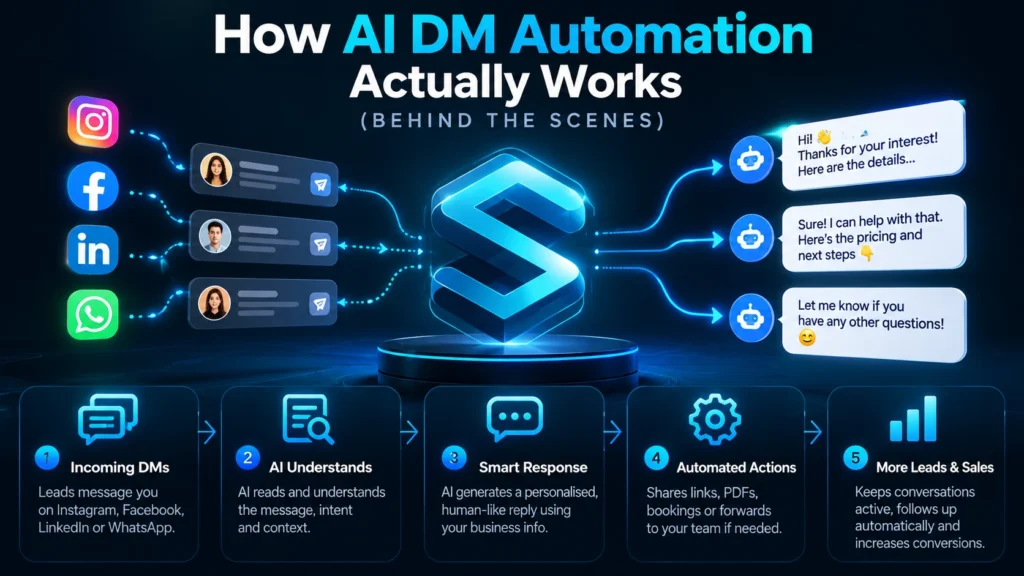
Most guides describe DM automation as a simple trigger and reply, without ever explaining what actually happens in between. This post walks through the real five step process, from the moment someone comments or messages you, through the instant webhook signal, the AI reading actual intent, a shaped reply, and the outcome that follows. It also covers what happens when something doesn’t go perfectly, something almost no other guide is honest about.
Key Takeaways
- AI DM automation runs in five steps: a trigger, an instant webhook signal, AI reading the real meaning behind a message, a shaped reply, and routing toward an outcome
- A webhook is simply the official instant notification a platform sends the moment someone comments or messages, which is what makes automated replies feel nearly immediate
- The AI understanding step is where real intelligence actually matters, since it reads meaning rather than just matching exact keywords
- A well built system knows when it isn’t confident enough to answer and hands the conversation to a real person instead of guessing
- This entire process only works safely when it runs through a platform’s official API, not an unofficial workaround
Introduction
Someone comments on your reel asking about pricing, and three seconds later they already have a reply that actually answers their question. From the outside, that gap between the comment and the reply looks almost like magic. It isn’t magic. It’s five distinct steps happening in a very specific order, all within a few seconds.
I think here is the simple answer before we go deeper. AI DM automation works by noticing an action, such as a comment or a message and instantly sending that information to the automation system. AI DM automation then uses AI to understand what the person actually meant AI DM automation shapes a reply around that meaning and AI DM automation guides the conversation, toward a useful outcome. All of that happens in the time it takes people to glance back at their phone.
Step One, Something Happens That Triggers the System
It starts with an action. Someone comments on your post, sends you a direct message, or replies to something you posted on your story.
The moment that happens, the platform notices it. This first step doesn’t need any intelligence at all. It’s simply detection, the system watching for a specific kind of action on a connected business account.
Step Two, That Information Gets Sent Instantly Behind the Scenes
Here’s the part almost nobody explains clearly, and it’s actually pretty simple once you see it.
The moment someone comments or messages you, the platform sends a small, instant signal to the automation system saying, essentially, this just happened, here’s who did it and what they said. Meta calls this a webhook, and according to Meta’s own developer documentation on Instagram messaging webhooks, this is the official mechanism apps use to receive real time notifications the moment someone interacts with a connected account.
In most cases, this happens within a couple of seconds. Occasionally, during busier traffic periods, it can take a little longer. That small delay you sometimes notice before a reply arrives usually isn’t the automation being slow, it’s this behind the scenes handoff simply taking a beat longer than usual.
Step Three, The AI Actually Reads and Understands What Was Said
This is the step where real intelligence matters most.
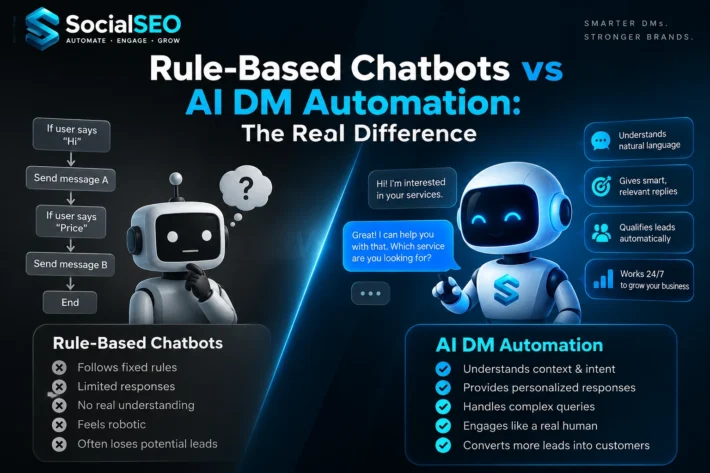
A basic system can only recognize exact words it was told to look for. Real AI does something different. It reads the actual meaning behind a message, even if it’s phrased in an unusual way, has a typo, or asks two things at once.
And it’s not guessing blindly either. A properly built system pulls from the business’s own information, its actual pricing, its real FAQs, its specific policies, so the answer that comes back is accurate and relevant, not just a generic guess dressed up to sound smart. If you want a deeper look at exactly what separates this from a basic keyword bot, our earlier post on rule based chatbots versus AI DM automation breaks that difference down fully.
Step Four, A Real Reply Gets Shaped, Not Just Picked From a List
Once the system understands what someone wants, it doesn’t just select the closest matching canned message from a list. It shapes a reply built specifically around what was actually asked, in the business’s own tone and voice.
This is the difference between a message that feels like it came from an actual brand you follow, and one that feels like you accidentally triggered an automated menu.
Step Five, The Conversation Gets Guided Toward a Real Outcome
A reply on its own isn’t the finish line. The point is moving that conversation somewhere useful.
Depending on what the person needs the system may keep answering questions hand the conversation to a person when it really requires one or steer the dialogue toward booking a real call. This step turns a reply into a real result, for the business instead of just a polite acknowledgment that goes nowhere.
What Happens When Something Doesn’t Go Perfectly
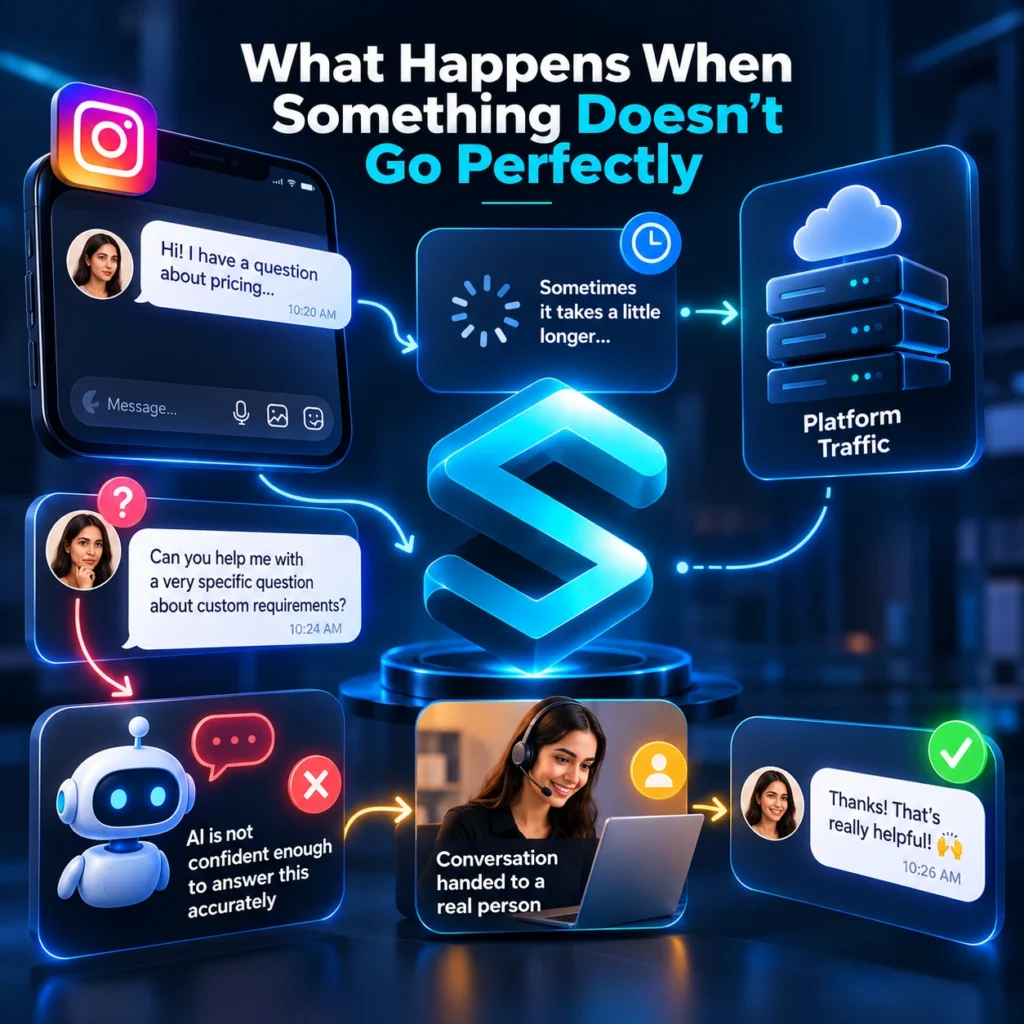
Most guides on this topic only describe the smooth version where everything works flawlessly. Real systems occasionally hit small bumps, and it’s worth knowing what that actually looks like.
Sometimes a message takes a little longer to arrive because of platform traffic, not because anything is broken. And sometimes, if a question is unusually specific or unclear, a well built system recognizes it isn’t confident enough to answer properly, and hands that conversation to a real person instead of guessing and giving a wrong answer.
That honesty is actually a sign of a well built system, not a flaw in it. A tool that always pretends to know everything is far riskier than one that knows when to step back.
Why This Entire Process Stays Safe and Within the Rules
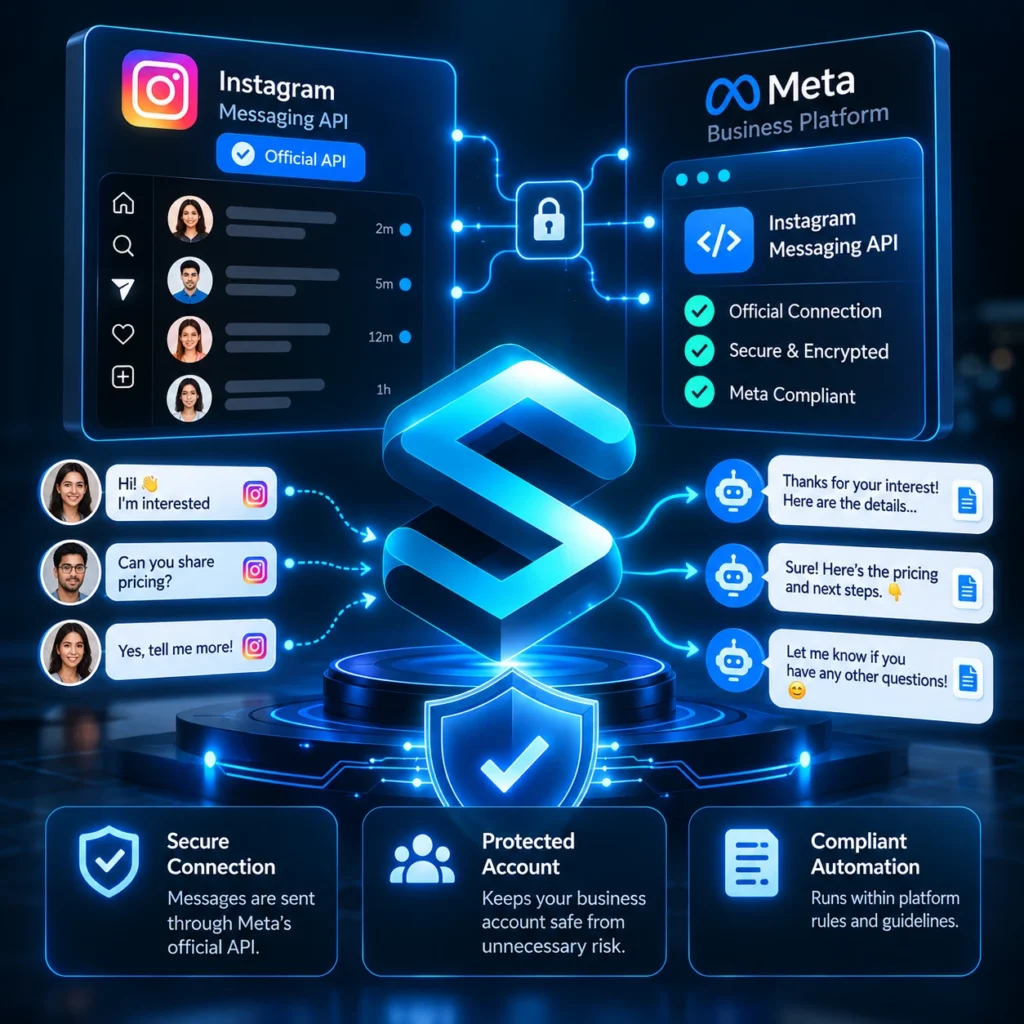
All of this only works properly, and safely, when it runs through a platform’s official connection rather than an unofficial workaround. Sending messages through Meta’s actual Instagram messaging API is what keeps the whole process compliant, and keeps a business account protected rather than exposed to unnecessary risk. Our full DM AI automation guide covers the safety side of this in more depth, including exactly what separates compliant automation from riskier unofficial tools.
How This Connects to Everything Else We’ve Covered
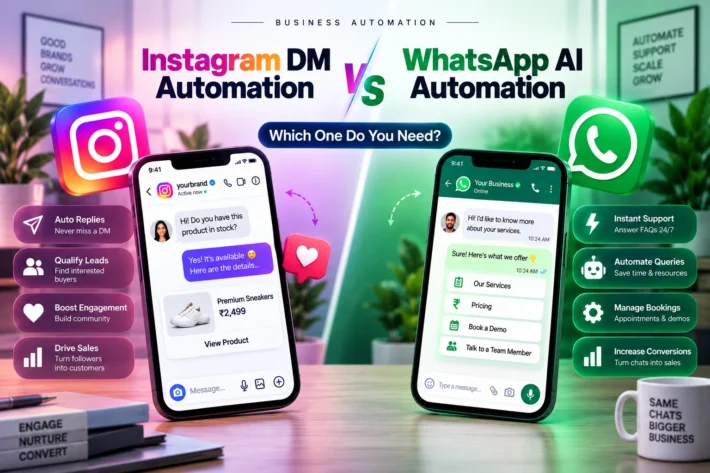
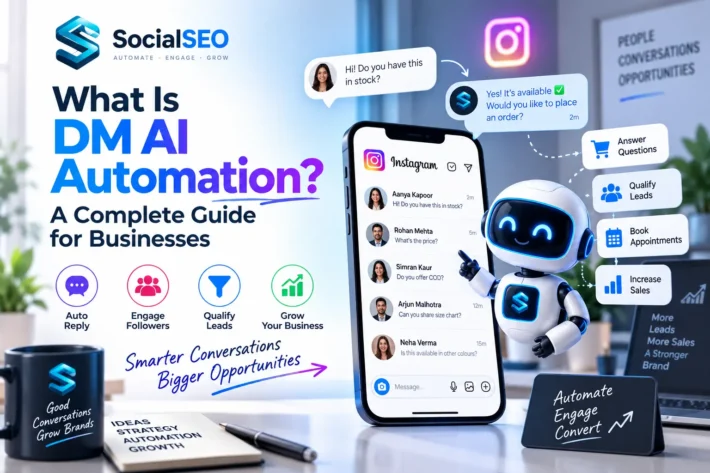
If this is the first post you’re reading in this series, it helps to understand where this fits into the bigger picture. Our guide on what DM AI automation actually is covers the basic definition and the four layers behind any automation system. This post goes one level deeper into the mechanics of how those layers actually run in practice. And if you’re weighing whether Instagram or WhatsApp automation fits your business better, our comparison on Instagram DM automation versus WhatsApp AI automation walks through that decision properly.
What This Actually Looks Like in Practice
With Setter this exact sequence runs quietly in the background every time someone comments or messages an account that is connected to it. When a comment comes in the information is passed forward instantly. Setter reads the intent behind the comment replies in the business’s own voice and guides the conversation, toward a booked call when it makes sense. No manual watching is. Nothing happens that the business owner cannot see and understand plainly.
Frequently Asked Questions
Why does my automated DM sometimes take a few seconds to arrive instead of being instant?
This usually comes down to normal behind the scenes traffic between the platform and the automation system, not a problem with the setup itself. A short delay of a few seconds is completely normal.
Does the AI actually understand what I typed, or is it just guessing based on keywords?
A properly built AI system reads the real meaning behind your message, even with typos or unusual phrasing, and pulls its answer from the business’s actual information rather than guessing.
What happens if the AI can’t answer a question properly?
A well designed system recognizes when it isn’t confident and hands the conversation to a real person instead of giving an incorrect answer.
Is this really different from a basic scheduled auto reply?
Yes, significantly. A scheduled auto reply sends the same message no matter what you say. AI DM automation actually reads and responds to what you specifically asked.
What is a webhook, in simple terms?
A webhook is just the official, instant signal a platform sends the moment something happens, like a comment or a message, so the automation system knows to respond right away instead of having to constantly check for updates itself.
Where to Go From Here
This post covers the real mechanics behind the process. If you’re ready to see it running live rather than just reading aboutit, take a look at Setter, our own AI response agent for Instagram, at app.socialseo.in.
Written by Suresh Malani
Suresh is the founder of SocialSEO, an AI native content and growth studio based in Noida, India. He works directly with founders and brands on personal branding, fan page marketing, and DM automation systems like Setter, and writes about what actually works based on that hands on experience.
Connect on LinkedIn: linkedin.com/in/sureshmalani